
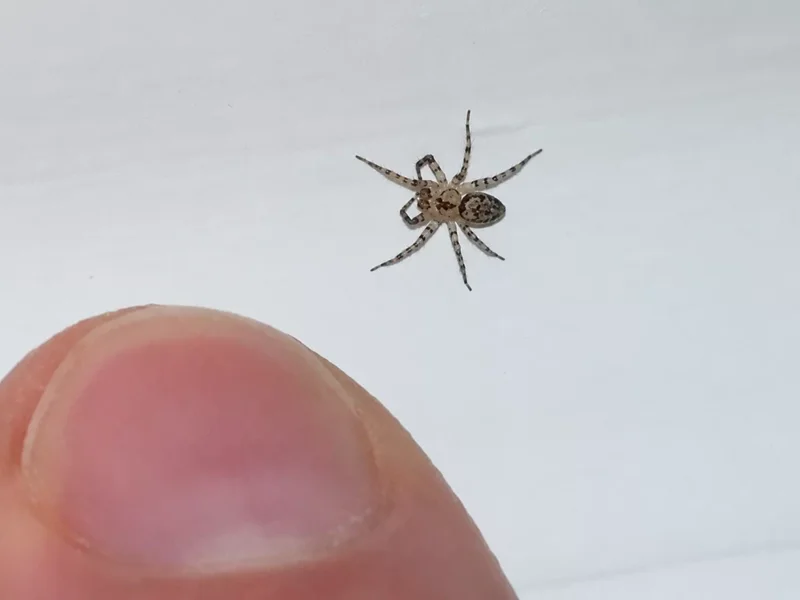
Pest Expert Overview: House Spiders in Bryan & College Station
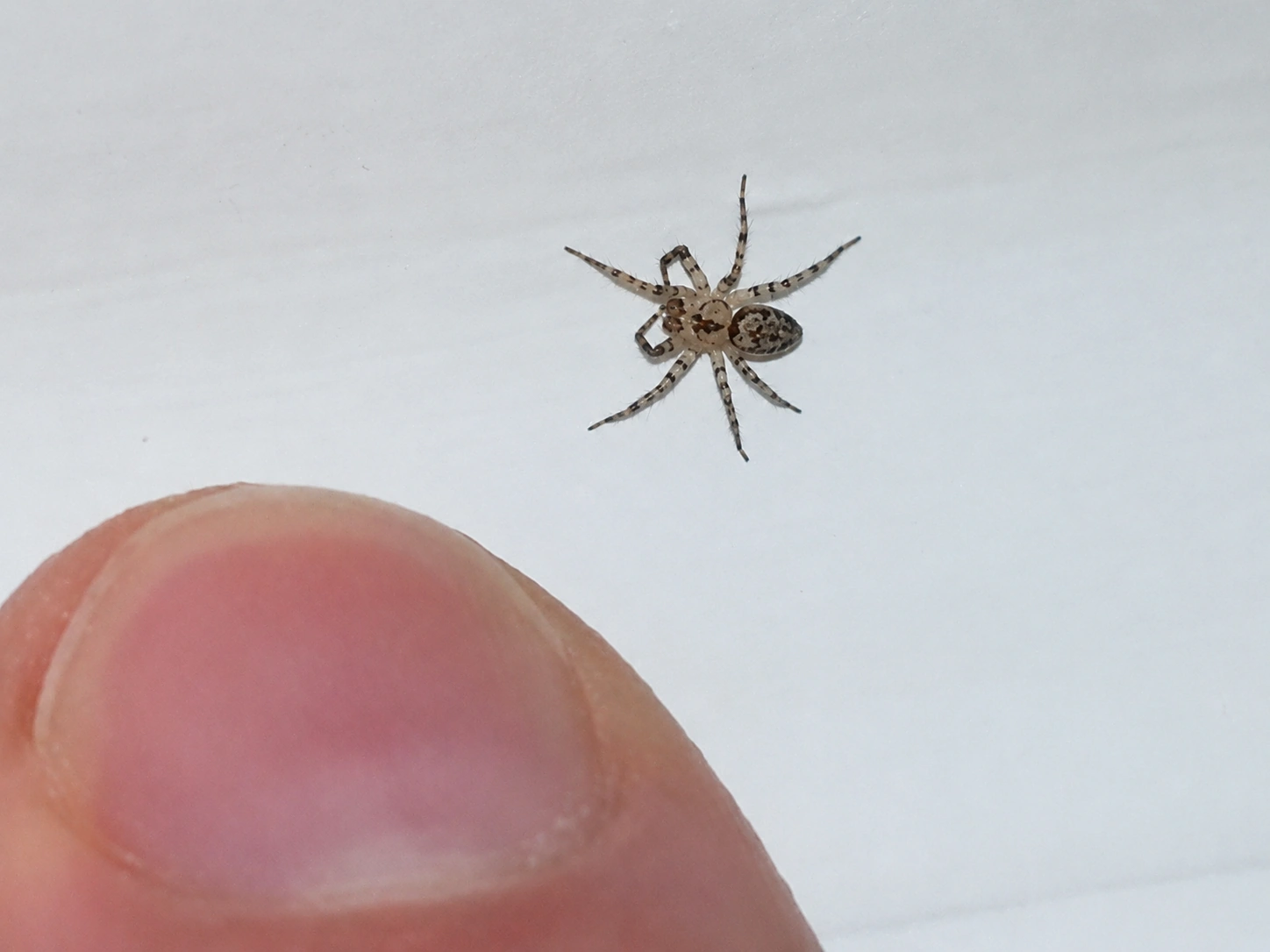
These spiders live comfortably around people, but they don’t seek contact with us. They spend most of their time waiting in a web for flies, mosquitoes, ants, small cockroaches, and other prey. Their hunting helps remove insects, while their abandoned webs and dropped prey create the mess that makes them unwelcome.
Around Bryan, College Station, and the rest of Brazos County, homeowners also use “house spider” as a general name for almost any spider found indoors. Correct identification matters because a harmless cobweb spider calls for a different level of concern than a black widow or brown recluse.
The Resident Behind Many Indoor Cobwebs
The common house spider, Parasteatoda tepidariorum, belongs to the cobweb spider family Theridiidae. Black widows belong to the same family, but that relationship doesn’t make the common house spider dangerous.
University of Florida entomologists describe this species as one of the spiders most commonly encountered around buildings. It occurs throughout much of the world and has adapted especially well to human structures.
Females measure about 5 to 8 millimeters in body length, while males usually reach about 4 millimeters. The abdomen looks rounded or somewhat bulbous, and the thin legs make the spider appear larger than its body measurements suggest.
Color varies from pale tan to grayish brown or dark brown. Many have mottled markings on the abdomen and darker rings on the legs. Size, color, and markings can overlap with those of other cobweb spiders, so the web and location often provide better clues than color alone.
How to Identify a Common House Spider
Common house spiders build loose, irregular webs rather than the symmetrical wheel shaped webs associated with orb weavers. The strands cross in several directions and create a three dimensional trap. Some threads extend downward and help catch crawling insects.
The spider usually waits upside down near the center or edge of the web. If disturbed, it may retreat into a crack or drop away on a silk line. It has little interest in confronting a person.
The web often appears in a protected place with little air movement. Indoor sites include ceiling corners, closets, garages, storage rooms, window frames, and areas behind furniture. Outside, common locations include eaves, porch ceilings, shutters, light fixtures, and sheltered parts of fences.
Web Location Tells a Story
A web remains useful only when prey moves through it. Repeated webs around one exterior light usually indicate that the light attracts insects at night. Webs near a door may reflect both insect traffic and an easy path into the structure. Activity in a damp garage can point toward prey supported by moisture.
Removing the spider without addressing the location may leave an excellent hunting site for the next spider. That explains why one corner can appear to produce cobwebs over and over.
Egg Sacs and Spiderlings
Female house spiders place pale brown, pear shaped egg sacs within the web. A female may produce several sacs during her life and guard them in the protected web.
Spiderlings disperse after hatching. Many die before reaching maturity, while others settle wherever shelter and prey overlap. A sudden cluster of tiny spiders can look alarming, but it doesn’t mean the house will support every one of them.
Why Cobwebs Keep Returning
An active spider maintains its web, but dust quickly coats abandoned silk. Old webs can collect dead insects, shed skins, and egg sacs. Outdoors, wind and humidity make the mess even more noticeable around eaves and porch lights.
Some spiders reuse a productive site after another spider leaves. New arrivals may also attach silk to remnants of an older web. Regular removal interrupts that cycle and makes fresh activity easier to detect.
Web removal works best when paired with attention to prey. Exterior lighting, gaps around doors, unscreened openings, moisture, and insect activity can all make a building more attractive to spiders. The spider may be the visible animal, but the food supply often drives the pattern.
Helpful Predator or Household Pest?
Common house spiders prey on insects and other arthropods. The University of Florida has recorded prey ranging from flies and mosquitoes to German cockroaches and even small scorpions. From an ecological perspective, they perform useful work.
That doesn’t mean a homeowner must accept webs across a porch or above a bed. The practical goal usually involves reducing spiders and webs in occupied areas while recognizing that an occasional outdoor spider plays a beneficial role.
This distinction helps avoid treating every spider as a medical threat. Most common house spider calls involve appearance, sanitation concerns, or recurring webs, not danger.
Can This Species Bite?
Common house spiders can bite in the biological sense, but bites remain rare. A spider would usually need to become trapped against skin or handled roughly. These spiders prefer escape when given the choice.
Medical references don’t consider the common house spider dangerous to people. Any puncture or unexplained skin reaction can become irritated or infected, however, and many unrelated skin conditions get blamed on spiders. Seek medical care for severe pain, spreading symptoms, breathing difficulty, or another serious reaction rather than trying to identify a bite from appearance alone.
Lookalikes Found Around Local Homes
“House spider” describes where someone found a spider, not always which species it is. Several very different spiders wander into Brazos County buildings.
| Spider | Usual clue | Main concern |
|---|---|---|
| Common house spider | Tangled web in a quiet corner | Recurring cobwebs |
| Cellar spider | Very long thin legs and a loose web | Mostly nuisance webs |
| Wolf spider | Large active hunter on floors | Startling appearance |
| Brown recluse | Six eyes and a hidden lifestyle | Medically important bite potential |
| Black widow | Glossy dark female with red marking | Medically important venom |
Color alone rarely provides a reliable identification. Photos, the web style, body proportions, eye arrangement, and the place where the spider lived give an entomologist much better evidence.
Reducing Activity and Webs Around a Building
Vacuum accessible indoor webs and egg sacs. Outside, remove webs from eaves, porch ceilings, shutters, and light fixtures where practical. Consistent removal keeps old silk from collecting debris and reveals how quickly a site becomes active again.
Repair damaged screens and worn door seals. Close gaps around pipes, cables, and window frames when those openings lead indoors. Reduce clutter in garages and storage rooms so fewer undisturbed hiding places remain.
Lighting can influence spider activity by concentrating flying insects. Where security and visibility allow, direct lights away from doors and windows and avoid leaving unnecessary lights on throughout the night.
Correct leaks and persistent dampness that support insect prey. No single housekeeping step will eliminate every spider, but these changes make the structure less rewarding to both spiders and the animals they hunt.
Professional House Spider Control
Venus Pest Company includes house spiders in our Basic Pest Control coverage. Our HomeGard, HomeGard Plus, and TotalGard plans build on that core protection, and our commercial pest control programs cover spiders for businesses.
We inspect the places where webs return, remove accessible webs as the service allows, address likely entry points, and consider the insect activity supporting the spiders. HomeGard service also includes seasonal exterior spider web removal during the winter service cycle.
We don’t publish pesticide products, active ingredients, application rates, or homeowner pesticide recommendations. Spider work depends on identification, placement, web removal, habitat, and prey management. A product list can’t replace that judgment.
Local Help Across Brazos County
Venus Pest Company has served local homes and businesses since 2001. Founder Dr. Scott Lingren holds a PhD in entomology, and our programs begin with identifying the spider rather than treating every web as a dangerous infestation.
If cobwebs keep returning or an unfamiliar spider worries you, call or text 979-774-0486, or email service@venuspest.com. A clear photo can also help us decide whether the spider needs closer examination.
Common Questions
Is this species dangerous?
No. Common house spiders aren’t considered medically important. They avoid people, and confirmed bites remain rare.
Why do webs return to the same corner?
That corner probably offers protection and regular insect traffic. Removing the web clears the mess, but another spider may occupy the same productive site if prey and shelter remain.
Could it be a brown recluse?
No. The common house spider is a cobweb spider that usually remains in an irregular web. A brown recluse has different anatomy and spends much of its time hidden rather than sitting in an exposed corner web.
Should I leave it alone?
That depends on the location. An outdoor spider in an out of the way area can help catch insects. Webs in living areas, doorways, or highly visible exterior spaces often justify removal.
What do the egg sacs look like?
Yes. Females place pale brown, pear shaped egg sacs in their webs. Vacuuming accessible sacs during web removal can reduce the number of spiderlings in that location.
Does activity mean my home is dirty?
No. Spiders need prey and protected web sites, not poor housekeeping. Clutter can provide extra shelter, but clean homes also develop spider activity around lights, openings, garages, and eaves.
Why do webs cluster near exterior lights?
Night lighting attracts flying insects. Spiders take advantage of that concentrated food supply and build webs where prey repeatedly passes.
Does Venus service cover house spiders?
Yes. Basic Pest Control, every HomeGard family plan, and standard commercial coverage include house spiders. The exact service approach depends on the building, web locations, and level of activity.