

Pest Expert Overview: Wood Cockroaches in Bryan & College Station
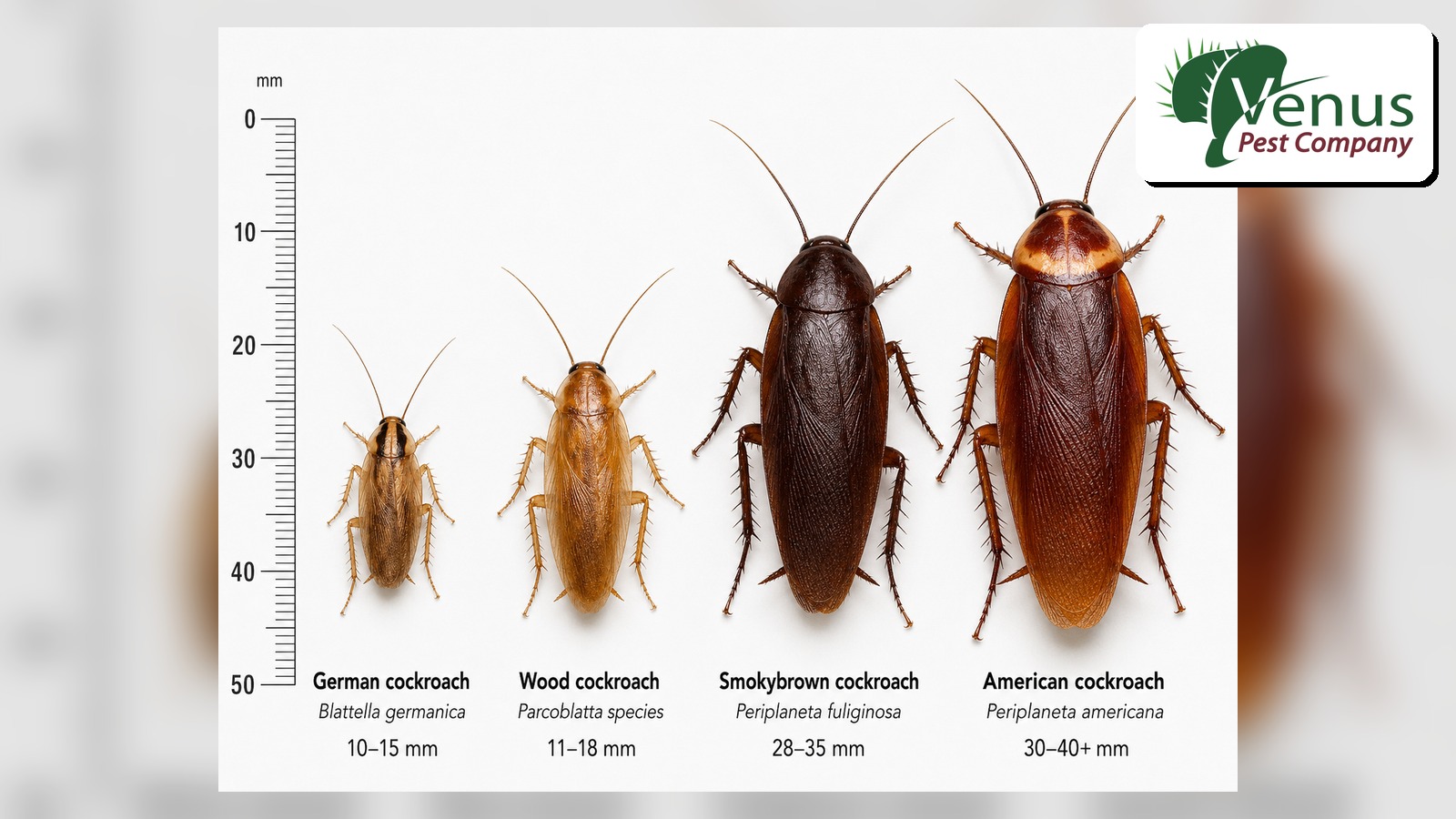
Wood cockroaches, or wood roaches, live outdoors in wooded areas, decaying logs, loose bark, leaf litter, and firewood. They occasionally fly or wander into homes around Bryan and College Station, but they rarely reproduce inside. One adult near a door or window often represents a lost outdoor insect rather than an indoor infestation.
That distinction matters because some wood cockroaches resemble German cockroaches, our most serious indoor cockroach pest. Calling a German cockroach a harmless wood roach can allow a real infestation to grow. Calling a wood roach a German cockroach creates unnecessary panic and may lead to indoor treatment the home never needed.
Correct identification comes first.
What Is a Wood Cockroach?
The name wood cockroach describes several outdoor species rather than one specific insect. Many wood cockroaches found in Texas belong to the genus Parcoblatta.
These cockroaches help break down dead leaves, rotting wood, and other plant material. Outdoors, they play a useful role in returning nutrients to the soil. They become pests only when they end up on the wrong side of the door.
Wood cockroaches need the moisture and decaying organic material they find outdoors. A typical air conditioned home offers poor habitat, so most accidental invaders die within a few days unless they find a damp crawl space or another sheltered area that resembles their natural environment.
How to Identify a Wood Cockroach
Wood cockroaches vary because the group includes several species. Adults usually range from about half an inch to more than an inch long and may look reddish brown, chestnut, or dark brown.
Adult males often have long wings that cover the abdomen. Many fly well and readily approach lights at night. Females usually have shorter wings and fly less often, so homeowners encounter males more frequently.
Color alone rarely provides a confident identification. Location, behavior, markings, and the number of cockroaches present often tell us more than a shade of brown.
A wood cockroach becomes more likely when a single adult flies toward a porch light, appears beside an exterior door, or turns up inside a home surrounded by trees. A German cockroach becomes more likely when several cockroaches of different sizes hide around kitchen appliances, cabinets, sinks, or bathrooms.
Whenever possible, capture the insect or take a sharp photograph from directly above. A smashed cockroach may feel emotionally satisfying, but it makes identification considerably harder.
Wood Cockroach Versus German Cockroach
Some male wood cockroaches look enough like German cockroaches to fool an untrained eye. Their habits usually separate them.
| Clue | Wood cockroach | German cockroach |
|---|---|---|
| Normal habitat | Outdoors around wood, bark, leaves, and organic debris | Indoors near food, warmth, and moisture |
| Indoor pattern | Usually one accidental visitor | Often several adults and nymphs together |
| Flight | Males may fly toward lights | Adults have wings but rarely fly |
| Typical location | Near doors, windows, garages, or rooms facing wooded areas | Kitchens, bathrooms, cabinets, and appliances |
| Indoor breeding | Rarely establishes a household population | Reproduces rapidly indoors |
| Main identification mark | Markings vary among species | Two dark parallel stripes behind the head |
Do not rely on wishful thinking. Several small cockroaches of different ages around a kitchen deserve professional identification even if one adult resembles a wood roach.
Why Do Wood Cockroaches Come Inside?
Adult males often fly toward porch lights, garage lights, bright windows, and illuminated doorways. An open door beside a bright fixture gives them a direct route indoors. Others crawl beneath a loose door sweep or through a damaged screen.
Firewood creates another common route. Wood cockroaches live beneath bark and inside damp woodpiles, so a log can carry an adult, nymph, or egg case into the house. Boxes, lumber, camping equipment, outdoor furniture, and seasonal decorations can do the same thing.
Homes near woods, greenbelts, mature trees, or heavy leaf litter naturally encounter more wood cockroaches than homes surrounded by open pavement. Repeated sightings do not automatically prove indoor breeding. They may point to a large outdoor population combined with attractive lighting or easy entry points.
Weather can also change activity. Warm, humid nights increase flight, while heavy rain or saturated ground may push outdoor insects toward sheltered areas. A sudden cluster of sightings after a weather change may reflect outdoor movement rather than a new household infestation.
Do Wood Cockroaches Infest Homes?
Wood cockroaches rarely establish populations inside clean, dry homes. They do not normally settle behind kitchen appliances, reproduce in cabinets, or build the dense indoor populations associated with German cockroaches.
One adult near an exterior door usually needs removal and identification, not an assumption that the house has an infestation. Repeated sightings throughout the home deserve a closer look, especially when they include wingless nymphs.
Nymphs cannot fly. Someone may have carried them inside with firewood or outdoor belongings, but they can also point to a damp crawl space, accumulated debris beneath a deck, or another moist habitat connected to the structure.
The pattern matters. A few adult males near lights during a short seasonal period suggest outdoor activity. Adults and nymphs appearing week after week in kitchens or bathrooms suggest a different cockroach species or a condition that needs professional inspection.
Are Wood Cockroaches Dangerous?
Wood cockroaches do not bite or sting, and they pose far less sanitation concern than German cockroaches living inside a kitchen. They spend their lives around decomposing outdoor material, however, so nobody wants them walking across a countertop.
Their main impact comes from alarm. A flying cockroach in a bedroom can test anyone’s commitment to remaining calm and scientifically curious.
How to Keep Wood Cockroaches Out
Start with the routes that bring them toward the building. Reduce unnecessary lighting beside doors and windows during periods of heavy activity. Moving a bright fixture away from an entrance often works better than leaving a glowing welcome sign directly above the door.
Seal the structure where practical. Repair torn screens, replace worn weather stripping, close gaps around utility lines, and make sure exterior door sweeps touch the threshold. Garage doors deserve attention because gaps along their lower corners provide easy entry.
Keep firewood off the ground and away from the house. Bring in only what you plan to use soon, then inspect each piece before it crosses the doorway. Removing heavy leaf litter, decaying wood, and unnecessary lumber near the foundation also reduces the habitat immediately beside the structure.
Do not eliminate healthy woodland habitat simply because wood cockroaches live there. The goal involves creating some separation between natural decomposition and the building, then blocking the routes that let outdoor insects come inside.
What Should You Do When You Find One?
Capture the cockroach when possible or take a clear photograph before removing it. Note where you found it, whether it flew, and whether you have seen others. Those details can matter as much as the photograph.
A single confirmed wood cockroach usually needs no indoor treatment. If sightings continue, monitoring near doors, garages, and suspected entry points can show whether more insects are arriving from outdoors.
Professional identification becomes important when you find nymphs, see several sizes, notice activity around appliances, or cannot confidently distinguish the insect from a German cockroach. The cost of guessing wrong runs in both directions.
Professional Wood Cockroach Control in Brazos County
Venus Pest Company includes indoor wood cockroach problems in our Basic Pest Control Service and qualifying service plans. We begin by identifying the cockroach and determining whether it entered from outdoors or belongs to a species reproducing inside.
For true wood cockroaches, the solution often focuses on exterior activity, lighting, moisture, firewood, and entry points. We do not treat a home as though it has German cockroaches when the evidence shows an occasional outdoor invader.
Our pest management programs come from Dr. Scott Lingren, a Texas A&M trained entomologist with more than 40 years of hands on experience studying and managing pests.
If you find a cockroach and want to know what it is, capture it or take a clear photograph. Then call Venus Pest Company at 979-774-0486 or request service online. We’ll identify the species and recommend the right level of response.
Frequently Asked Questions About Wood Cockroaches
Can wood cockroaches fly?
Adult males of many species fly well and often approach lights at night. Females usually have shorter wings and fly less often.
Do wood cockroaches mean my house is dirty?
No. They normally come from wooded outdoor habitat, firewood, or leaf litter. Their presence usually reflects accidental entry rather than indoor sanitation.
Why did I find a wood cockroach in my bedroom?
It may have flown toward a light, entered through a nearby door or window, or wandered after entering elsewhere. A single adult in a bedroom does not prove an infestation.
Can wood cockroaches reproduce indoors?
They rarely sustain a population in a normal dry home. A damp crawl space or similar sheltered habitat may support activity, so repeated sightings or nymphs deserve inspection.
How can I tell whether it is a German cockroach?
German cockroaches usually have two dark parallel stripes behind the head and gather near food, heat, and moisture. Finding several adults and nymphs around a kitchen or bathroom strongly supports German cockroaches. A specimen or clear photograph provides the safest answer.