

Pest Expert Overview: Honey Bees in Bryan & College Station
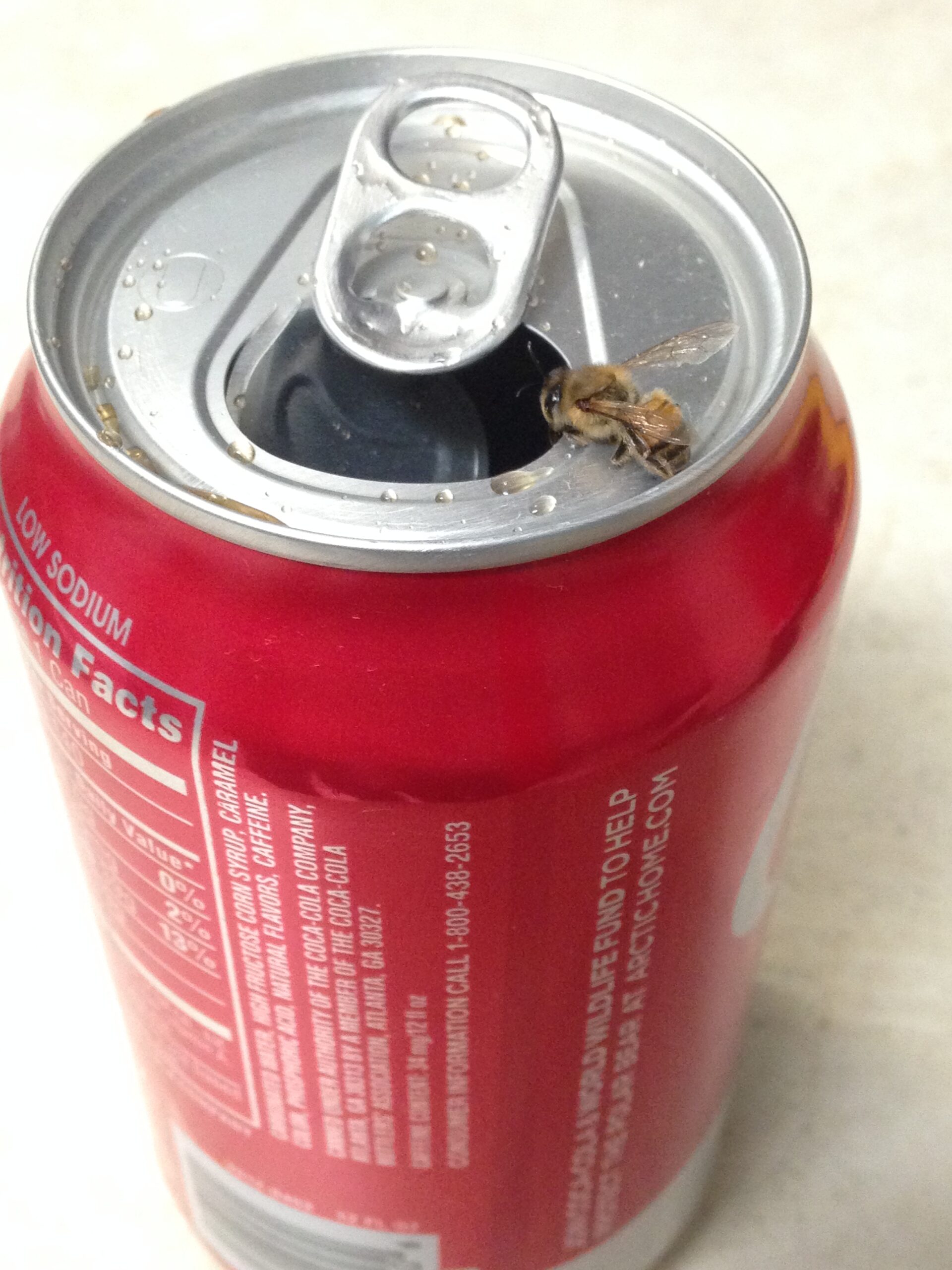
That distinction matters in Bryan, College Station, and throughout Brazos County. Bees visiting flowers usually need no attention. A swarm on a branch may leave on its own. Steady traffic through a hole often points to a nest inside the structure. A highly defensive colony near people, pets, livestock, or equipment can create an immediate safety concern.
Honey bees, Apis mellifera, are social insects. Thousands of workers cooperate with a queen and seasonal male drones. Those traits also make a colony inside a wall far more complicated than a loose cluster of insects.
The Honey Bee Classes My Dad and I Shared
I took apiculture at Oklahoma State University under Dr. William Arthur Drew. I also had him for introductory entomology. Years earlier, he had taught my dad, Dr. Pete Lingren, those same two classes. Not many people get to learn the same subject from the same professor who taught their father.
Dr. Drew taught me one lesson that had nothing to do with bees. I once turned in a quiz without putting my name on it. He took me aside and said, “Son, this is college. If you don’t put your name on assignments, you won’t get credit, and almost no professor will do what I am doing now and give you a second chance.”
He gave me the credit, and I never forgot my name again. Dr. Drew turned one careless mistake into a lesson instead of a zero.
My dad kept bees after he retired from the USDA Agricultural Research Service. His colonies came from BeeWeaver Honey Farm near Navasota. They were the most docile bees I had ever seen. We could work around them without the tension that accompanies a defensive feral colony.
From Docile Colonies to Mean as Hell
After my dad passed away, the colonies continued without his management. Over time, their temperament changed dramatically. The bees eventually became what we described as Africanized, and they got mean as hell.
The colony did not simply decide to develop a bad personality. Queens age, die, swarm, or get replaced. A new queen mates with drones from the surrounding area. Research from the USDA Agricultural Research Service found that European queens can mate disproportionately with Africanized drones. As the new queen’s workers replace the older workers, the colony’s genetics and behavior can change.
My friend and former competitor Dennis Brown helped us deal with those colonies after he left pest control and began teaching beekeeper training classes. Dennis organized an entire class around collecting my dad’s colonies and requeening them. It remains one of the most honorable things anyone has ever done for my family.
The prospective beekeepers also received a memorable practical lesson. Anyone who arrived thinking a veil and gloves were optional learned quickly. Those colonies defended themselves with enthusiasm.
How a Honey Bee Colony Works
The queen produces nearly all the eggs. Female workers gather food, build comb, feed larvae, regulate temperature, and defend the colony. Male drones develop mainly to mate with queens. A healthy queen can lay well over a thousand eggs per day during rapid growth.
Workers build wax comb for developing young, pollen, and honey. They collect nectar for energy and pollen for protein. The waggle dance helps foragers share a food source’s direction and distance. Chemical signals, worker age, and nest needs organize the work.
A Honey Bee Swarm Is Not the Same as a Colony in a Wall
Swarming allows a mature colony to reproduce. The old queen leaves with many workers while the original nest raises or retains a replacement queen. During the journey, the swarm may cluster on a tree limb, fence, shrub, mailbox, or building while scouts search for a permanent cavity.
A resting swarm looks like a dense ball of bees, but it usually behaves less defensively than an established nest. The bees have no comb, brood, or honey stores at the temporary stop. Texas A&M AgriLife Extension notes that an undisturbed swarm in a low risk location often moves within about 48 hours.
Less defensive does not mean harmless. People should keep children and pets away, avoid striking or spraying the cluster, and get professional guidance when a swarm occupies a doorway, playground, walkway, work area, or another busy location.
An established colony creates a different problem. Repeated flight through the same opening, especially over several days, suggests that workers are commuting between flowers and a nest. Once they build comb inside a wall, soffit, chimney, attic, column, or tree cavity, the colony has a location and food reserves to defend.
European and Africanized Colonies
European and Africanized honey bees belong to the same species and look almost identical without specialized testing. Color, size, or one angry bee cannot identify a colony. Their venom poses the same hazard per sting. The major difference involves defensive behavior.
Africanized colonies may respond more quickly, mobilize more workers, and pursue a perceived threat farther from the nest. Vibrating equipment such as lawn mowers, tractors, trimmers, and chainsaws can trigger a response. The Texas Apiary Inspection Service also warns that colonies may react to nearby pedestrian activity and frantic animals.
People sometimes call any aggressive colony Africanized, but behavior alone does not prove ancestry. For safety, the response matters more than the label. If numerous defenders pursue people well away from the entrance, treat the area as dangerous and call a professional.
If bees attack, move quickly into a building or vehicle. Cover your face without blocking your vision. Do not stop nearby to swat them, hide in vegetation, or jump into water. Call 911 after numerous stings or for trouble breathing, swelling of the tongue or throat, faintness, or another severe reaction.
Why Colonies Move Into Buildings
Scout bees look for protected cavities with room for comb. Roofline gaps, pipe openings, uncapped chimneys, damaged soffits, hollow columns, and spaces behind siding can work. A small opening may lead to a large concealed space.
Wax, honey, and nest odors can attract future swarms. Removing only the adult bees does not always resolve the structural problem. Heat may soften old comb and allow honey to leak through walls. Wax, brood, and pollen can also attract scavenging insects.
A permanent solution may require access to the cavity, removal of comb and food stores, cleaning, repair, and exclusion after the colony is gone. The nest location determines what work is practical.
Signs of a Honey Bee Problem
The clearest sign of an established colony is a steady stream of bees entering and leaving the same opening. Watch from a safe distance. Activity may increase on warm, sunny days when flowers provide nectar and pollen.
Buzzing inside a wall can support the diagnosis, but sound alone can mislead. Bees may forage on plants beside a house without nesting there. Repeated indoor appearances, bees emerging from a fixture or vent, or staining near an opening deserves investigation.
Sudden defensive behavior also matters. A homeowner may first discover a colony while mowing, trimming shrubs, opening a shed, or working near a water meter. Stop the equipment and leave the area if bees begin striking, stinging, or following. Do not return for a closer look without protection and a plan.
What an Inspection Needs to Determine
A useful inspection answers several questions before anyone chooses a response. Are these honey bees, or are they wasps, yellowjackets, bumble bees, or solitary bees? Are they feeding on flowers, resting in a temporary swarm, or occupying a permanent nest? Where do they enter, and where does that opening lead? How close is the activity to people, pets, and routine work?
We also consider defensive behavior, height, accessibility, construction, and time on site. Bees in a one story soffit create different access challenges than bees deep inside a chimney or masonry wall. A calm swarm on a branch presents different options than a defensive colony behind brick.
Do not seal an active entrance before the colony is removed or controlled. Trapped workers may search for another route and emerge inside the home. Sealing the visible hole also leaves the comb, brood, honey, and queen behind.
Professional Honey Bee Control
Texas allows different professionals to perform different kinds of bee work. A registered beekeeper may charge for removal without using pesticides. A licensed structural pest control professional may perform control work under the Texas Structural Pest Control Act. The Texas Apiary Inspection Service maintains a public beekeeper list but explains that registration does not guarantee a person’s removal qualifications.
Venus works with local beekeepers whenever possible to relocate problem colonies. Live removal makes sense when the colony is accessible, the structure allows comb removal, the bees can be handled safely, and a beekeeper can accept them. Height, construction, temperament, time, cost, and danger can limit that option.
Some situations require control instead of relocation, particularly when a highly defensive colony threatens a household or workers. Venus Pest Company does not publish pesticide products, application instructions, or treatment recipes. A responsible plan must account for the colony location, the building, exposure risks, and the remaining comb. A product recommendation cannot do that.
The Shelby Metcalf Colony and a Weeklong Golf Ball
One colony that couldn’t be relocated belonged to Dr. Shelby Metcalf, the legendary former Texas A&M basketball coach. I was eliminating the colony when one worker found the exposed target on my right cheek and nailed me.
Proper vengeance, I suppose. I spent the next week looking as though someone had implanted a golf ball under my cheek. One sting accomplished that. A defensive colony can send many more workers than one, which is why temperament, access, and proximity to people have to influence the decision. Relocation remains our preference when conditions allow it, but pretending every colony can be moved safely doesn’t help the bees, the beekeeper, or the customer.
Protecting Pollinators Without Ignoring Risk
Respect for pollinators and protection of people can coexist. Bees gathering nectar usually need to be left alone. A swarm in an isolated location may only need time and space. An established colony beside a doorway, inside a bedroom wall, near livestock, or under a lawn that requires mowing deserves a professional assessment.
No ethical company should present every bee as a pest just to sell a service. It is equally irresponsible to insist that every colony must remain in place regardless of its behavior or location. The response depends on what the bees are doing, where they live, and who could encounter them.
Reducing the Chance of a Colony Moving In
Exclusion works best before scouts discover a cavity. Repair damaged soffits and siding, screen vents, cap unused chimneys correctly, and close gaps around pipes, cables, roof transitions, and trim. Ventilation openings need suitable screening rather than caulk.
Inspect sheds, meter boxes, hollow landscape features, and seldom used equipment before working around them. In spring, pay attention to scout activity around holes in the building. A few bees inspecting an opening may disappear, but repeated interest can signal that a swarm is evaluating the cavity.
Never approach a suspected nest just to confirm it. Binoculars, a zoomed photograph, or observation through a closed window can provide useful information from a distance.
Local Help Across Brazos County
Venus Pest Company has served Brazos County since 2001. Our approach starts with identification and context. We want to know whether you have ordinary foraging activity, a resting swarm, an established structural colony, or a dangerous defensive response. That diagnosis keeps a harmless situation from becoming an unnecessary service and keeps a serious situation from being dismissed as “just bees.”
If bees have moved into your home or become defensive around your property, call or text 979-774-0486, or email service@venuspest.com. Tell us where you see the activity, how long it has been present, and whether anyone has been stung. We will help determine the safest next step.
Honey Bee Questions
Are honey bees protected in Texas?
Texas regulates paid removal and structural pest control work, but the law does not mean every colony must remain where it settles. A colony inside a building or in a dangerous location can require removal or control. The professional’s registration or license and the method used both matter.
Is a swarm dangerous?
A resting swarm is usually less defensive because it has no comb or brood at the temporary site. It still contains thousands of stinging insects. Seek help when it rests near people, pets, traffic, or buildings.
How long will a swarm stay?
Many swarms leave within a day or two after scouts select a permanent cavity. Some remain longer or move into a nearby structure. Location and risk should guide the response.
Can I identify an Africanized colony by looking at it?
No. Africanized and European honey bees look nearly identical to the unaided eye. Specialized measurements or genetic testing can distinguish ancestry. Highly defensive behavior calls for caution regardless of the colony’s exact genetics.
Why shouldn’t I seal the entrance right away?
Closing an active opening can force workers into the living space. It also leaves comb, honey, and brood in the wall. Address the nest before completing exclusion repairs.
Can another colony return to the same wall?
Yes. An unrepaired opening and odors from old comb can make a cavity attractive to future swarms. Complete work may require removing accessible nest material, cleaning the space, repairing damage, and sealing entry points after activity ends.
Does every colony need to be eliminated?
No. Some swarms leave without intervention, and Venus works with local beekeepers to relocate suitable colonies. Other colonies occupy locations or display behavior that makes relocation unsafe or impractical. An inspection helps identify the responsible option.
What should I do after multiple stings?
Move into a secure building or vehicle first. Call 911 for a large number of stings or signs of a severe allergic reaction, including difficulty breathing, swelling in the mouth or throat, faintness, or rapidly worsening symptoms. People with known sting allergies should follow the emergency plan provided by their medical professional.