

Pest Expert Overview: Drywood Termites in Bryan & College Station
That biology makes them unusual around Bryan, College Station, and the rest of Brazos County. Subterranean termites occur naturally throughout our soil and account for most local termite problems. Drywood infestations remain uncommon away from the Texas Gulf Coast. When we find them here, the history of the wood often matters as much as the history of the building.
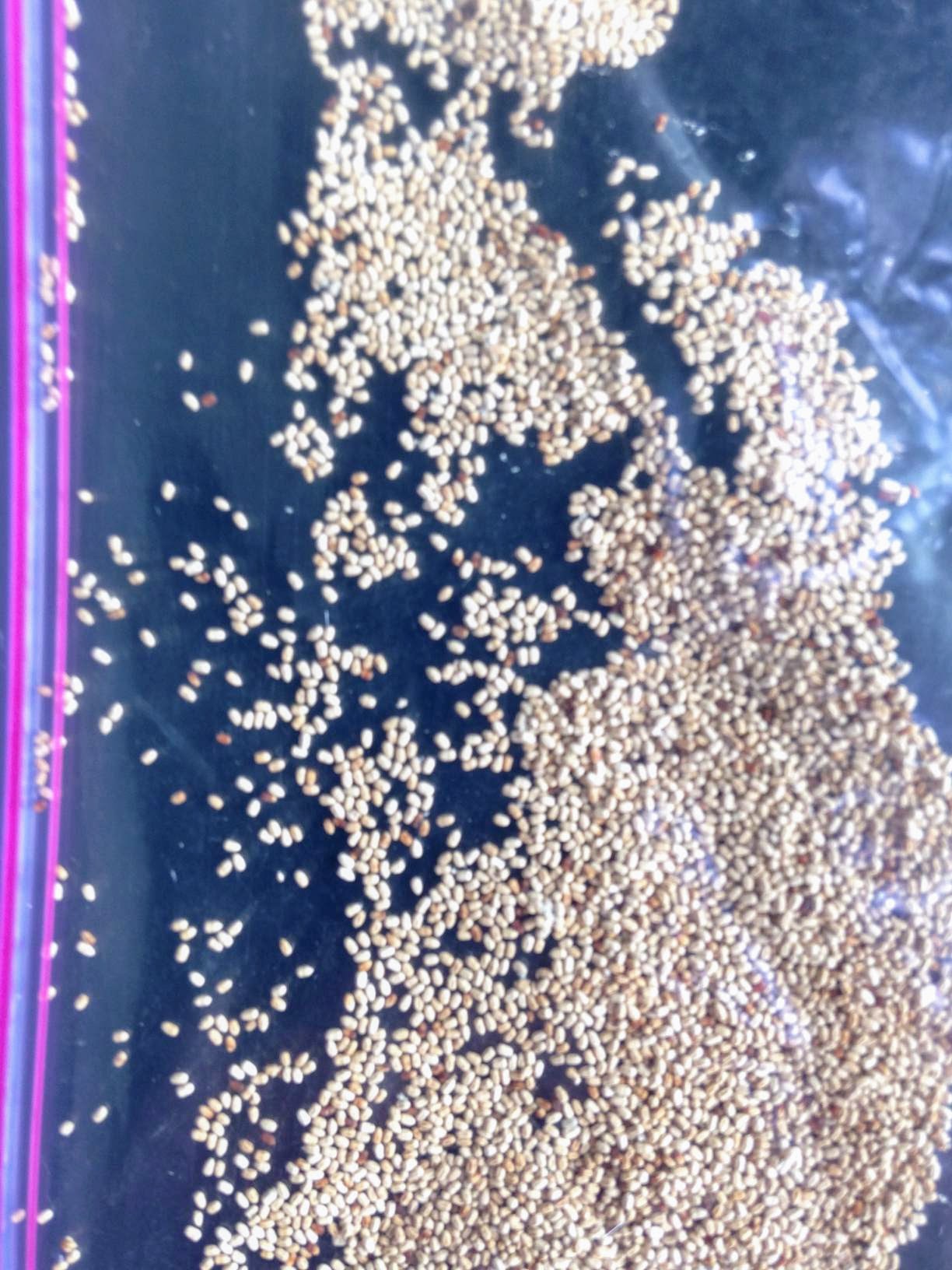
Most homeowners first notice tiny piles that resemble coarse sand, pepper, or sawdust. Those pellets are termite droppings, usually called frass. Their remarkably uniform shape provides one of the best clues that a colony is feeding somewhere above the pile.
Why Drywood Termites Are Different
Subterranean termites leave the soil to reach wood and need protection from dry air. Drywood species spend their entire lives inside aboveground wood and conserve moisture exceptionally well. They form no connection to the ground and build no shelter tubes.
The Texas A&M Urban and Structural Entomology Program lists three common Texas species: Incisitermes snyderi, Cryptotermes brevis, and Incisitermes minor. Identification usually depends on soldiers or intact winged reproductives rather than the pale worker-like forms.
Texas A&M describes I. snyderi as the most common of the three in the state. Distribution still varies considerably. Gulf Coast communities encounter drywood termites much more often than we do in the central Brazos Valley.
What We See in Brazos County
In our local experience, many residential discoveries trace back to a wooden item that came from an area where drywood termites occur more frequently. Antique furniture, decorative carvings, picture frames, reclaimed lumber, wooden doors, and imported objects can carry a colony without showing obvious surface damage.
The item doesn’t have to look neglected. Termites remain hidden and may leave only a pinhead sized kickout hole. A beautiful cabinet can sit indoors for years before producing pellets or swarmers.
This pattern doesn’t mean every old or imported wooden object presents a threat. It means the object becomes part of the inspection. When frass appears below furniture or wall decor, moving directly to a foundation treatment would miss the biology entirely.
The Downtown Bryan Pattern
We have also found multiple infestations in older commercial buildings in Historic Downtown Bryan. That stands out because we haven’t encountered the same concentration in other parts of our service area.
The pattern doesn’t prove one source. Downtown buildings may contain wood and furnishings from many places and periods. They have also had decades for concealed colonies to develop. Renovations can expose one infested timber while leaving another behind a wall or ceiling. Shared construction can make the extent harder to see.
Age alone doesn’t cause an infestation. Plenty of old buildings never develop one, while a newer property can acquire termites through one infested piece of furniture. Still, repeated findings in older downtown commercial buildings tell us not to dismiss drywood termites simply because Bryan lies inland.
How Drywood Termite Colonies Live
A colony begins when winged reproductives pair up, enter an opening in wood, and seal themselves inside. The pair raises offspring and gradually expands its galleries.
Growth is slow compared with many subterranean termite colonies. A mature drywood colony may contain only hundreds or a few thousand individuals. Small numbers don’t make the damage harmless. Several colonies can occupy separate pieces of wood in one building, and years of concealed feeding can weaken structural or decorative material.
Worker-like immatures can develop into soldiers or replacement reproductives as colony needs change. Soldiers defend the galleries, while winged reproductives disperse and attempt to start new colonies.
Because the colony lives inside its food, activity stays hidden. Termites feed across the grain and create smooth chambers through spring and summer growth. Their galleries lack the soil associated with subterranean damage.
What Drywood Termite Frass Looks Like
Drywood termites produce hard fecal pellets that look almost manufactured under magnification. Each has six flattened or concave sides with longitudinal ridges. Color varies with the wood from pale tan to dark brown.
The pellets measure about one thirty-second of an inch long. A pile may resemble sawdust, sand, coffee grounds, or pepper. Shape matters more than color. Sawdust contains irregular fibers, while termite pellets repeat the same compact shape.
Mississippi State University Extension explains that these termites conserve moisture by producing extremely dry waste. The pellets hold very little water, which helps the colony survive without soil contact.
Kickout Holes and Recurring Piles
Termites don’t allow frass to fill their galleries indefinitely. They create tiny openings, carry pellets to them, and push the waste outside. Pest professionals call these openings kickout holes. Pellets may fall from trim, a ceiling joist, window frame, door, cabinet, beam, or piece of furniture.
A kickout hole can sit several feet above the pile. Pellets bounce and scatter, so debris doesn’t always point straight to the colony. Air movement, cleaning, and vibration can also shift old pellets.
Fresh pellets strongly justify an inspection, but pellets alone don’t reveal the size, age, or exact boundary of an infestation. University of California IPM notes that cleaning up a pile and watching for new material can help distinguish continuing activity from debris dislodged out of an old gallery. Identification still needs a close look at the pellets and surrounding wood.
Never ignore a pile that returns after cleaning. Carpenter ants, wood boring beetles, drywood termites, and ordinary construction debris can all create material below wood. The differences are meaningful, and guessing based on a distant photograph can send an inspection in the wrong direction.
Swarmers and Other Clues
Winged reproductives provide another warning. Drywood termite swarmers are darker than the worker-like forms and have two pairs of wings similar in size. After a short flight, they shed the wings and search for a mate and a new nesting site.
An indoor swarm or similar shed wings near windows, lights, trim, or furnishings deserves attention. One outdoor swarmer doesn’t establish an infestation, but multiple insects emerging indoors tell a different story.
Drywood termite swarmers have a broad waist and relatively straight, beadlike antennae. Winged ants have a narrow waist, elbowed antennae, and front wings larger than their rear wings. Keep a few specimens or take close photographs when possible. Intact wings and body features can help identify both the termite group and sometimes the species.
Other clues include kickout holes, weakened wood, smooth galleries, and hollow areas exposed during remodeling. Damage may represent current or old activity, so an inspector needs more than one sign.
Drywood Versus Subterranean Termites
These termites eat the same basic food but reach and occupy wood differently. The distinction changes the inspection and treatment plan.
| Feature | Drywood termites | Subterranean termites |
|---|---|---|
| Primary home | Inside dry, aboveground wood | Soil and protected routes into wood |
| Soil contact | Not required | Usually required |
| Mud tubes | No | Common |
| Typical colony size | Hundreds to a few thousand | Often much larger |
| Common visible clue | Six sided fecal pellets or swarmers | Mud tubes, damage with soil, or swarmers |
| Local frequency | Uncommon except in certain buildings or imported wood | Common throughout Brazos County |
A soil treatment designed for subterranean termites does not solve a drywood colony sealed inside a cabinet or roof timber. Likewise, finding pellets in a piece of furniture does not prove that subterranean termites have entered through the foundation. Correct identification must come first. Our subterranean termite guide explains that much more common local problem.
How Furniture Carries Them
A small colony can remain entirely within one chair, cabinet, door, frame, carving, or piece of lumber. Moving the item moves the colony. This ability has helped drywood species spread far beyond their original ranges through commerce and travel.
An item may remain quiet for years before pellets appear. Paint, upholstery, hardware, or its position can conceal kickout holes. Swarmers may emerge long after anyone remembers the item’s origin.
When pellets occur around a movable object, the inspection should separate it from the building without assuming the answer. Termites may occupy the furniture, nearby trim, or more than one location. Removing one object won’t solve a structural infestation.
What an Inspection Must Answer
The first job is to confirm that the material really is drywood termite frass. We examine pellet shape, kickout holes, damaged wood, shed wings, swarmers, and the location of recurring piles. We also ask about antique or imported furnishings, remodeling materials, previous termite work, and where items lived before they arrived.
The next question is scope. Does evidence point to one object, one accessible timber, several areas, or a broader hidden infestation? In commercial buildings, finishes, dropped ceilings, shared walls, repairs, and tenant improvements may hide original construction.
No visual inspection can guarantee access to every concealed colony. A good inspection maps known evidence, distinguishes confirmed activity from suspicion, and explains what remains uncertain. Damage that may affect structural performance also needs evaluation by an appropriate contractor or engineer. A pest inspection doesn’t replace a structural assessment.
Professional Drywood Termite Control
Treatment depends on where the termites live and how confidently the inspection defines the infestation. A colony confined to one movable object presents different choices than pellets appearing in several rooms or commercial suites. Localized work depends on finding and reaching every infested gallery. Whole structure treatment addresses hidden colonies more broadly but requires far more preparation and specialized service.
UC IPM divides professional options into localized and whole structure approaches. It also warns that localized treatment carries uncertainty when walls or finishes conceal additional colonies. That tradeoff matters in an older commercial building where several renovations may hide the original wood.
Venus Pest Company doesn’t publish pesticide products, active ingredients, application rates, or do it yourself termite instructions. Drywood termites spend nearly their entire lives protected inside wood. A product name can’t determine whether the pellets came from a chair, a ceiling beam, or three separate colonies behind finished walls.
The right plan begins with identification and scope. Depending on the findings, the response may involve removing an infested item, replacing damaged wood, performing localized professional treatment, or arranging a specialty whole structure service. We explain what the evidence supports and where uncertainty remains before recommending the next step.
Protecting Furnishings and Structures
Examine secondhand, antique, imported, and reclaimed wooden items before bringing them indoors. Look closely at joints, unfinished surfaces, cracks, undersides, back panels, and old holes. Fresh pellets or loose piles inside drawers deserve more attention than ordinary wear.
Keep records when a property receives treatment or an infested item gets removed. In a commercial building, tell maintenance staff and tenants what drywood frass looks like so recurring piles reach the property manager instead of disappearing during routine cleaning.
Paint and intact finishes can reduce access, but no coating makes a building termite proof. Termites may enter through cracks, joints, weathered surfaces, and hidden areas. Periodic inspection matters most after previous activity or where imported furnishings are common.
Local Help Across Brazos County
Venus Pest Company has served Brazos County since 2001. We don’t treat every pile of debris as proof of termites, and we don’t dismiss drywood termites simply because they are uncommon here. Our local findings in furniture and older downtown Bryan commercial buildings show why both habits would be mistakes.
If you find recurring pellets, shed wings, swarmers, or suspicious damage, call or text 979-774-0486, or email service@venuspest.com. Save some of the debris and note exactly where it appeared. That small sample can make the first part of the inspection much easier.
Drywood Termite Questions
Are drywood termites common in Brazos County?
No. We encounter them far less often than subterranean termites. Local cases often involve imported furniture or decorative wood, although we have found multiple infestations in older commercial buildings in downtown Bryan.
Do pellets prove the colony is active?
Not by themselves. Old pellets can fall after cleaning, vibration, or movement. Clean the area and watch for new material, but arrange an inspection rather than relying on the pile alone.
Can drywood termites live inside furniture?
Yes. A colony can complete its life cycle inside a chair, cabinet, door, frame, carving, or another wooden object. Moving the item can carry the termites to a new building or region.
Do they need soil or moisture damaged wood?
No. They live in dry, sound wood above ground and obtain the moisture they need from their food. They don’t maintain a soil connection or build mud shelter tubes.
Is their damage faster than subterranean termite damage?
Usually not. Individual colonies tend to remain smaller and grow more slowly. However, several colonies can occupy one building, and years of hidden feeding can still cause serious damage.
Can one building contain several colonies?
Yes. Separate reproductive pairs can establish colonies in different timbers or furnishings. Finding one kickout hole doesn’t define the full extent of activity, especially in a large or heavily remodeled building.
Do they make mud tubes?
No. Mud tubes point toward subterranean termites or another source. Drywood galleries stay inside the wood and usually look smooth, without the soil common in subterranean damage.
Does every infestation require whole structure treatment?
No. A colony confined to a removable object or clearly defined area may allow a narrower response. Multiple signs, inaccessible wood, or uncertain boundaries may justify a whole structure approach. The inspection determines which option fits the evidence.