Pest Expert Overview: Acrobat Ants in Bryan & College Station
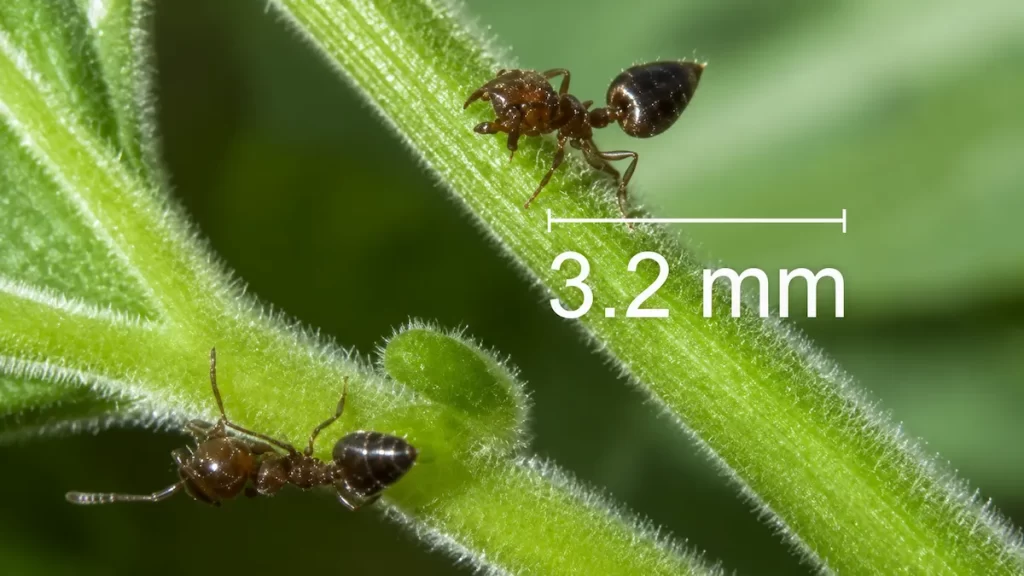
An interesting fact about acrobat ants is their diet, which is varied and includes insects, honeydew produced by aphids, and nectar. Their ability to adapt to different food sources is a testament to their survival skills. Additionally, they often inhabit areas disturbed by other pests, such as carpenter ant or termite nests, showcasing their opportunistic nature.
Life Cycle
The life cycle of acrobat ants, like that of other ant species, includes several stages: egg, larva, pupa, and adult. The queen lays eggs in a protected nest, which hatch into larvae. These larvae are fed and cared for by worker ants until they pupate. After the pupal stage, adult ants emerge, ready to assume their roles within the colony. The entire process from egg to adult can vary in duration but is typically completed within several weeks, depending on environmental conditions.
Worker ants are responsible for foraging, caring for the young, and defending the nest, while the queen’s primary role is reproduction. Colonies can grow to include thousands of individuals, particularly in favorable conditions.
Why They are Pests?
Acrobat ants become pests when they invade homes and buildings in search of food and shelter. They are particularly attracted to sweet substances and can be found trailing to food sources within human dwellings. Moreover, their nesting habits can cause damage to property. Acrobat ants prefer to nest in moist wood or spaces previously occupied by other wood damaging pests, potentially exacerbating existing structural damage.
In addition to property damage, their presence can be a nuisance to homeowners, especially when they invade kitchens and pantries. While not typically aggressive, acrobat ants will bite if their nests are disturbed, causing mild irritation.
Acrobat Ant Prevention
Habitat Modification: Eliminate sources of moisture such as leaking pipes and standing water. Trim tree branches and shrubs away from the structure to reduce access points. Remove any decaying wood or debris near the home that could serve as potential nesting sites.
Professional Acrobat Ant Control
If you are dealing with an infestation of Acrobat Ants, Venus Pest Company can help. Founded by Aggie Entomologist Dr. Scott Lingren, we provide expert, eco-friendly Integrated Pest Management solutions in Bryan and College Station. To get started, fill out the contact form, call/text 979.774.0486 or email [email protected]. Don’t let nuisance pests take over your home!