

Pest Expert Overview: Earwigs in Bryan & College Station
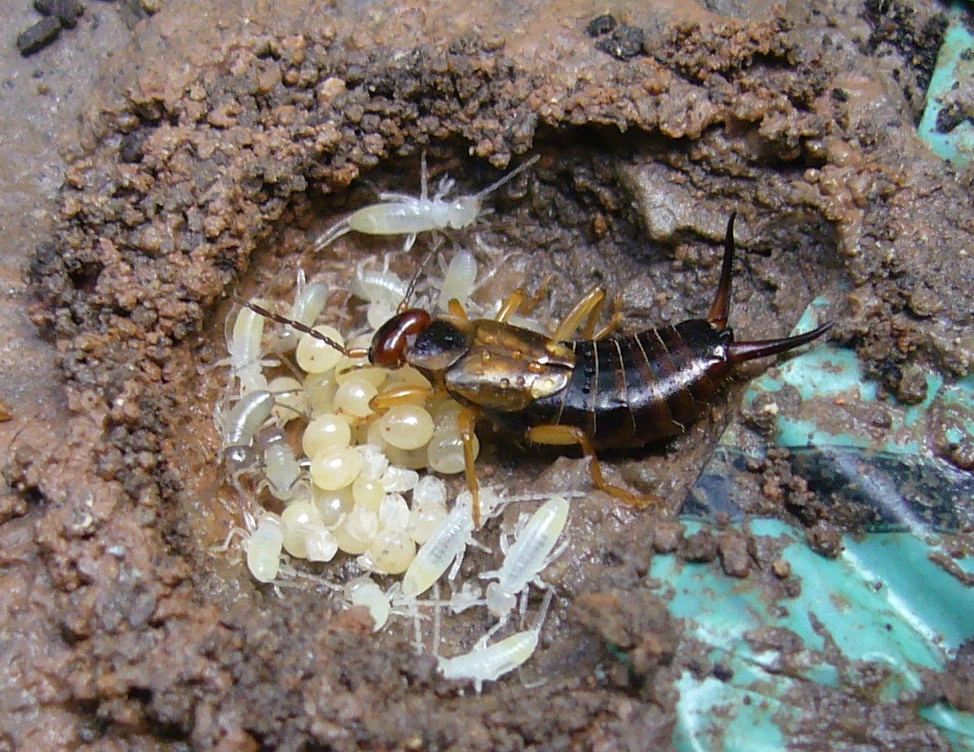
Their family life tells a very different story.
Female earwigs build small chambers in the soil, lay their eggs together, and stay with them. They gather scattered eggs, clean them, defend them, and continue caring for the young after they hatch. Most people would never expect that kind of behavior from an earwig. Parental care occurs in some nonsocial insects, but it remains unusual enough to make earwigs remarkable.
Around Bryan and College Station, earwigs usually live outdoors in damp, protected places. They sometimes wander into homes, especially after weather changes or when moisture and shelter draw them close to the foundation. They rarely cause serious indoor damage, but their appearance can make a minor nuisance feel like a much larger problem.
The Insect Mother Most People Never Expected
We usually associate devoted insect parents with social species such as ants, termites, and honey bees. Those insects live in colonies where workers care for the queen’s offspring. An earwig mother handles the work herself.
She prepares a nest chamber in the soil and lays a cluster of pale eggs. Then she remains with the clutch instead of leaving. If an egg rolls away, she retrieves it and returns it to the group. She turns and grooms the eggs, guards the chamber, and stays near her newly hatched nymphs during their first stage of life.
That behavior creates one of the great contrasts in entomology. The pincers make an earwig look menacing, yet the insect uses much of its energy to protect a tiny family underground.
What Maternal Care Actually Accomplishes
An earwig mother does more than stand guard. Her cleaning behavior helps protect the eggs from fungi in the moist soil where she nests.
A published study of European earwigs found that mothers increased their grooming when researchers exposed the eggs to mold spores. Attended eggs kept protective hydrocarbons on their surfaces, while those compounds declined on unattended eggs. The researchers concluded that grooming likely removes spores mechanically while the mother also replenishes protective material on the eggs. You can read the study in Behavioral Ecology.
In other words, she tends the clutch much like a gardener protecting seedlings from disease. She keeps the eggs together, cleans them, and improves their chance of surviving in a microbe-rich environment.
Some earwig species also provide food to young nymphs. The details differ among species, but family care occurs widely enough within the earwig order to count as a defining and genuinely surprising part of their biology.
Why Moisture Shapes Their Lives
Earwigs lose water easily, so they seek cool, dark places that help them conserve moisture. During the day, they hide under bark, stones, boards, flowerpots, mulch, leaf litter, landscape timbers, and other objects that touch damp soil. They become active at night and search for food.
That preference explains many encounters around Brazos County homes. A heavily mulched bed, a leaking spigot, a shaded foundation, clogged gutters, or dense groundcover can give earwigs the shelter they need. Rain may flood their hiding places and send them toward a structure. Hot, dry weather can also drive them inside while they search for cooler conditions.
An earwig in a bathroom does not mean it came from a drain. The room simply offers humidity, water, and plenty of tight hiding spaces. The insect may have entered under a door, through a gap around plumbing, or in an item brought indoors.
How to Identify Earwigs
The forceps at the tip of the abdomen make adult earwigs easy to recognize. Their bodies look narrow, flattened, and flexible. Most Texas species range from brown to nearly black, although markings and size vary.
The Texas A&M Field Guide to Common Texas Insects reports about ten earwig species in Texas. The ring-legged earwig, Euborellia annulipes, ranks among the species people commonly encounter. Its yellowish legs carry darker bands that give the insect its name. Texas also supports riparian, linear, and brown-winged earwigs.
Many adults have short, leathery forewings. Some species also carry intricately folded hindwings beneath them, but homeowners seldom see earwigs fly. Young earwigs, called nymphs, resemble smaller adults with less-developed pincers and no functional wings.
Male pincers often look larger and more curved. Female pincers usually look straighter. Shape varies by species, so the difference does not always appear dramatic.
The Pincers Look Worse Than They Are
Earwigs use their forceps for defense, handling prey, courtship, and unfolding their hindwings. A large individual may pinch if someone traps or handles it, but earwigs do not chase people or seek opportunities to attack.
The forceps contain no venom. Earwigs do not sting, and they do not transmit disease through a bite. A defensive pinch from a large earwig may feel noticeable, but it rarely breaks the skin.
The old story about earwigs intentionally crawling into human ears has given this insect an undeserved reputation. Almost any small wandering insect could accidentally enter an ear, but earwigs do not seek ears, burrow into the brain, or lay eggs inside people. Their underground nest chambers provide the conditions they actually want.
A Life Cycle With a Family Stage
After mating, the female creates a protected chamber and lays her eggs in a cluster. The number and timing depend on the species and conditions. Texas A&M notes that eggs may hatch in about two weeks under favorable temperatures.
The mother stays with the eggs and young nymphs. As the nymphs grow, they molt through several stages and gradually develop adult features. Once they become independent, they leave the nest and begin foraging on their own.
Temperature affects development, so the trip from egg to adult can take weeks or months. Many earwigs complete one or two generations each year. Our long warm season gives them plenty of time to remain active outdoors, although cold or dry periods push them deeper into protected sites.
What They Eat
Earwigs qualify as opportunistic omnivores. They feed on decaying plant material, algae, fungi, mosses, tender plant tissue, and small insects. They also scavenge dead insects.
That flexible diet gives them a mixed role in landscapes. Earwigs may consume aphids, insect eggs, and other small pests, which makes them useful predators. They also help break down organic debris. When populations grow large or food becomes scarce, however, they may chew flowers, seedlings, soft fruit, or tender leaves.
You may notice ragged holes in petals and foliage, especially on plants close to moist ground-level hiding places. Since slugs, caterpillars, and other nocturnal feeders leave similar damage, the plant injury alone does not prove that earwigs caused it. A correct identification matters before anyone decides that control makes sense.
Helpful Predator or Garden Pest?
The honest answer is both, depending on the setting and population.
A few earwigs working through mulch usually belong to the normal landscape community. They recycle organic matter and eat other arthropods. Their presence alone does not justify alarm.
Large numbers around tender plants can create a real garden problem. Seedlings and flowers may suffer when many earwigs feed in the same small area. Even then, the conditions that supported the population often matter as much as the insects themselves. Thick debris, persistent irrigation, dense mulch, and objects resting on damp soil can provide abundant daytime shelter.
This is why an inspection should look beyond the insect in front of us. The location, moisture level, hiding places, plant damage, and number of earwigs tell us whether we have a harmless outdoor resident, a garden pest, or a structural nuisance.
Why Earwigs Wander Indoors
Earwigs do not normally establish breeding populations inside homes. Indoor sightings usually begin with outdoor activity close to the building.
They can enter beneath exterior doors, around utility lines, through damaged screens, and through cracks where different building materials meet. Cardboard boxes, potted plants, firewood, patio furniture, and other outdoor items may also carry them inside.
Once indoors, earwigs often head toward bathrooms, laundry rooms, kitchens, garages, and other areas that offer moisture or darkness. They may hide along baseboards or beneath stored items during the day. Because most homes provide poor long-term habitat, many indoor earwigs eventually dry out and die.
Repeated sightings deserve more attention than a single stray insect. Regular activity may point to excessive outdoor numbers, a moisture problem, or an entry point that also admits other pests.
Practical Ways to Reduce Activity
Start with the conditions that let earwigs thrive near the building. Correct leaking faucets and irrigation problems. Improve drainage where water collects beside the foundation. Clean gutters and downspouts so they move water away from the structure.
Pull deep mulch and leaf litter back from exterior walls when practical. Remove boards, pots, landscape fabric folds, and unnecessary debris that create dark contact with damp soil. Store firewood off the ground and away from the house.
Door sweeps and intact weatherstripping can close common entry routes. Repair screens and seal accessible gaps around pipes, cables, windows, and siding transitions. These steps also help exclude cockroaches, ants, millipedes, and other crawling pests.
Indoors, a vacuum handles occasional earwigs without leaving a residue. The larger goal is to determine why they reached the interior and whether conditions around the structure keep replacing the insects you remove.
Professional Earwig Control
Professional service starts with identification and inspection. We look for activity patterns, moisture, shelter, entry points, and landscape conditions instead of treating one insect as the entire problem.
If earwigs keep entering, we focus on the areas that support or funnel the population. The right plan depends on the property. A shaded home with heavy mulch presents a different problem than a commercial building with gaps beneath service doors or persistent moisture around utility lines.
Venus Pest Company includes earwigs in our Basic Pest Control program for homes. We also address earwigs through our commercial pest control service when they create recurring problems around businesses.
Local Help Across Brazos County
Most earwigs cause more surprise than damage. Their pincers make them look threatening, but their secret life as attentive parents makes them one of the more interesting insects living around our homes.
When a few outdoor earwigs stay outdoors, they rarely need attention. When they repeatedly enter a home, gather around a business, or damage plants, the pattern deserves an inspection.
Venus Pest Company serves Bryan, College Station, and surrounding Brazos County communities. Call 979-774-0486 or email service@venuspest.com to schedule service.
Earwig Questions
Do earwigs crawl into people’s ears?
Earwigs do not seek human ears. A small insect could enter an ear accidentally, but the old stories about earwigs burrowing into brains or laying eggs in people have no basis in their normal biology.
Can an earwig pinch a person?
An earwig may use its rear forceps when trapped or handled. The pinch has no venom and rarely breaks skin. Earwigs do not pursue people or attack without provocation.
Why do female earwigs protect their eggs?
The mother keeps the clutch together, defends it, and grooms the eggs. Research shows that her care helps protect eggs from fungal growth in their damp nest environment. She may also remain with the nymphs after they hatch.
Do earwigs reproduce inside homes?
They rarely reproduce indoors. Most earwigs found inside wandered in from outdoor hiding places, arrived with stored items or potted plants, or followed moisture through an opening.
What attracts earwigs to a house?
Moisture, shade, mulch, leaf litter, boards, pots, and other protected hiding places can support earwigs near a foundation. Door gaps, damaged screens, and utility openings then give them routes inside.
Are earwigs helpful or harmful in gardens?
They can play either role. Earwigs eat decaying material and small pests, but large populations may chew seedlings, flowers, soft fruit, and tender leaves. Their number and the damage pattern matter more than their mere presence.
Why do I find earwigs in my bathroom?
Bathrooms offer humidity, water, darkness, and narrow hiding places. The earwigs probably entered through a structural gap or arrived from another part of the building. They did not necessarily come from the drain.
Does regular Venus pest control include earwigs?
Yes. Earwigs fall within the pests covered by Venus Basic Pest Control, and our standard commercial service can address them as well. We inspect the property and tailor the approach to the activity and conditions we find.
e!