Pest Expert Overview: Dermestid Beetles in Bryan & College Station
Dermestid beetles, often unnoticed yet playing a crucial role in our ecosystem, are fascinating creatures with unique characteristics and behaviors. Despite their small size, these beetles have a significant impact on their environments, acting as natural cleaners but also, at times, becoming pests in human habitats.
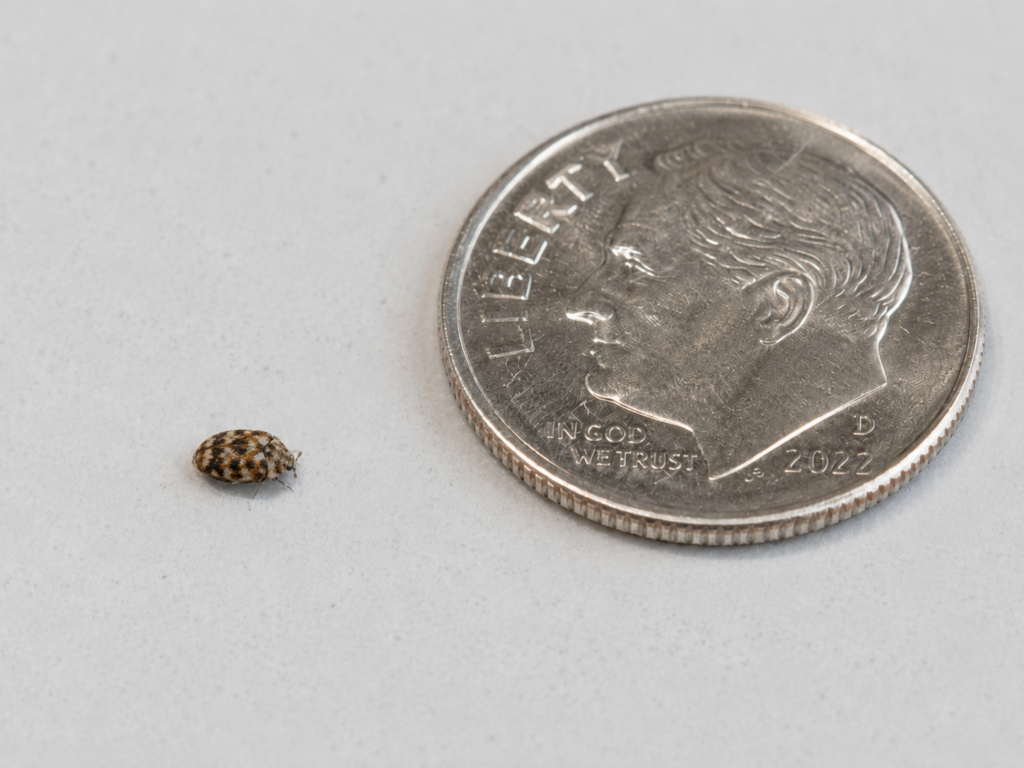
Dermestid beetles, belonging to the family Dermestidae, comprise over 500 species worldwide. These beetles are small, usually between 1 to 12 mm in length, and are characterized by their varied colors and patterns, which often help them blend into their surroundings. An interesting fact about these creatures is their remarkable adaptability; they can thrive in diverse environments, from the arid deserts to the cold arctic regions.
One of the most intriguing aspects of dermestid beetles is their diet. They are known as nature’s cleaners because they feed on dry animal material, such as skin, hair, and feathers. This diet makes them invaluable in natural ecosystems for recycling dead matter. However, it’s this same feeding habit that often brings them into conflict with humans, especially in settings like museums and homes where animal-based materials are abundant.
Life Cycle
The life cycle of dermestid beetles is a fascinating process, involving several stages from egg to adult. The female beetle lays her eggs in places where the larvae, upon hatching, will have immediate access to food. These larvae, often referred to as “woolly bears” due to their hairy appearance, are voracious eaters and undergo several molts as they grow.
After feeding and growing for several weeks or months, depending on the species and environmental conditions, the larvae then pupate. During this stage, they transform into adults, emerging ready to reproduce and continue the cycle. The entire life cycle can span from a few weeks to several months, influenced greatly by temperature and food availability.
Why are they Pests?
Despite their ecological benefits, dermestid beetles can become pests, particularly in homes, warehouses, museums, and other places where animal products are stored. Their larval stage is especially destructive to dry animal materials, including wool, silk, leather, and even dried specimens in museums. Their ability to go unnoticed until significant damage has occurred makes them particularly troublesome.
Moreover, dermestid beetles can pose a challenge for taxidermists and in forensic settings, where they are used to clean off flesh from bones. While beneficial in controlled environments, an escape or unmanaged population can lead to unwanted destruction.
Dermestid Beetle Prevention and Control
We usually find that dermestid beetles indoors come from a decaying rodent lost in a wall somewhere. Other sources might include taxidermy or animal products like wool or leather. A thorough inspection can find the source so that it can be removed or treated. If the source can’t be located, such as a decaying rodent in the wall, we can treat window sills, where they fly to, and wait for the food source to completely decay. Thankfully, that usually only takes a few days to a week. We typically recommend general pest control so we can help find the source or reduce activity by treating hot spots where they’ve been seen.
Professional Dermestid Beetle Control
If you are dealing with an infestation of Dermestid Beetles, Venus Pest Company can help. Founded by Aggie Entomologist Dr. Scott Lingren, we provide expert, eco-friendly Integrated Pest Management solutions in Bryan and College Station. To get started, fill out the contact form, call/text 979.774.0486 or email [email protected]. Don’t let nuisance pests take over your home!